Uncategorized
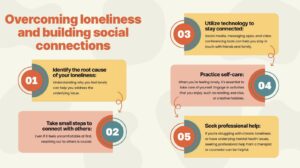
Coping with Loneliness and Building Social Connections
The Loneliness Epidemic in America: Causes, Health Impact, and Strategies for Connection Loneliness is a deeply human experience, but in...

Uncategorized



Children’s mental health is a growing concern in the United States, with rising rates of anxiety, depression, and other mental health challenges among youth. As parents, you play a pivotal role in nurturing your child’s emotional well-being and equipping them with the tools they need to thrive.
This comprehensive guide offers actionable tips, expert insights, and resources to help you support your child’s mental health at every stage of development.
The mental health of American children has reached a critical juncture. According to the Centers for Disease Control and Prevention (CDC), leading pediatric organizations have declared a national emergency in children’s mental health, citing factors such as the COVID-19 pandemic, social pressures, and exposure to traumatic events.
Mental health disorders often begin in childhood or adolescence, making early intervention and ongoing support essential. The Mental Health America (MHA) reports that 1 in 6 U.S. children aged 6-17 experience a mental health disorder each year, yet nearly half go untreated.
Anxiety disorders affect approximately 31.9% of adolescents. Depression rates among youth have increased by 40% over the past decade. Suicide is now the second leading cause of death for Americans aged 10-24.
These statistics underscore the urgent need for parents to understand, recognize, and actively support their children’s mental health.
According to Mental Health America, every child requires certain foundational elements for good mental health.
Children need to feel loved and accepted regardless of their achievements or setbacks. Unconditional love fosters a sense of security and self-worth, which are fundamental for good mental health. When children know that your love does not depend on grades, performance, or behavior, they develop resilience and healthy self-esteem.
A stable home environment, free from violence and excessive stress, provides children with the security they need to explore, learn, and grow. According to Seattle Children’s Hospital, establishing routines and clear boundaries helps children know what to expect and depend on.
Consistent rules, predictable schedules, and calm conflict resolution all contribute to a sense of safety.
Play is more than just fun—it is a vital way for children to process emotions, develop social skills, and build resilience. According to UNICEF USA, encourage your child to play with peers and participate in group activities.
Unstructured play, in particular, allows children to practice negotiation, creativity, and emotional regulation without adult direction.
Fostering open communication builds trust and helps children feel comfortable sharing their thoughts and feelings. According to Mile High Psychiatry, regularly check in with your child, listen without judgment, and validate their emotions.
Healthy communication lays the foundation for a strong parent-child relationship. Allow your child to express their thoughts and emotions openly without fear of judgment.
Create dedicated family time without screens or distractions. Use car rides, walks, or meals as natural opportunities for conversation.
Listen more than you speak, and show genuine interest in your child’s experiences. Use phrases like “Tell me more” or “I hear you” to encourage sharing and demonstrate empathy. The Children’s Hospital of Philadelphia (CHOP) recommends reflecting back what you hear: “It sounds like you felt really frustrated when that happened.”
Active listening validates your child’s feelings and encourages continued openness.
Help your child identify and label their emotions. According to Riverscape Counseling, discuss feelings openly, and teach them constructive ways to express and manage emotions, such as through art, journaling, or physical activity.
Use emotion charts for younger children. Name your own emotions as a model: “I am feeling frustrated right now, so I am going to take a deep breath.”
A healthy body supports a healthy mind. According to KidsHealth, ensure your child eats nutritious foods, gets regular exercise, and has adequate sleep. Children should aim for at least 60 minutes of physical activity daily and 8–10 hours of sleep each night depending on age.
Physical activity releases endorphins, reduces stress, and improves mood. Adequate sleep is essential for emotional regulation, memory consolidation, and overall mental health.
Excessive screen time can negatively impact mental health. According to Connecticut Children’s, set reasonable limits and encourage activities that promote creativity and connection, such as outdoor play, reading, or family game nights.
The American Academy of Pediatrics recommends consistent limits on screen time, screen-free zones (like bedrooms), and screen-free times (like meals).
Consistent routines provide structure and help children feel secure. Regular meal times, bedtimes, and family activities create predictability and reduce stress. Children thrive when they know what to expect.
Involve your child in age-appropriate decisions and responsibilities. According to UC Davis Children’s Hospital, this fosters autonomy, builds confidence, and prepares them for independent problem-solving.
Allow natural consequences when safe. Let a child who forgets their jacket feel cold, rather than always rescuing. This builds responsibility and foresight.
Equip your child with coping strategies, such as deep breathing, mindfulness, or talking about their feelings. Encourage them to view setbacks as learning opportunities and to seek help when needed.
Practice coping skills together when your child is calm. Role-play difficult scenarios so they have tools ready when stress arises.
Children learn by example. According to NAMI (National Alliance on Mental Illness), demonstrate self-care, healthy coping mechanisms, and emotional regulation in your own life. Let your child see how you handle stress and disappointment constructively.
Verbally narrate your coping process: “I am feeling overwhelmed, so I am going to take five deep breaths.” Children internalize these modeled behaviors.
Recognize your child’s efforts and progress, not just their successes. Celebrate their strengths and unique qualities, and encourage them to try new things without fear of failure. This builds a “growth mindset” where children see challenges as opportunities rather than threats.
Help your child set achievable goals that match their abilities. Support them in pursuing activities that challenge them, build skills, and foster a sense of accomplishment. Break large goals into smaller, manageable steps.
Positive relationships with peers and supportive adults are crucial for mental health. Facilitate opportunities for your child to build friendships and connect with mentors, coaches, teachers, or religious youth group leaders.
If your child struggles socially, arrange smaller playdates or structured activities around shared interests.
Regular family activities—such as shared meals, game nights, or outdoor adventures—strengthen bonds and provide opportunities for connection and support. Even 15 minutes of focused, undivided attention daily makes a significant difference.
Provide clear expectations and boundaries while allowing your child the freedom to explore and make choices. This balance nurtures both security and independence. The goal is authoritative parenting—warm and supportive but with firm limits.
Create a safe space where your child feels comfortable expressing all emotions, including anger, sadness, or fear. Validate their feelings and help them find healthy outlets for emotional expression. Never punish or shame a child for having feelings.
While many mental health challenges can be addressed with parental support, some situations require professional intervention. According to the UNICEF USA, seek help if your child:
If you notice these signs, consult your child’s doctor, a school counselor, or a mental health professional. Early intervention can make a significant difference in outcomes.
There are numerous resources available for families seeking mental health support. According to U.S. Department of Health and Human Services, key resources include:
Don’t hesitate to reach out for help. Seeking support is a sign of strength and an important step in caring for your child’s well-being.
For a quick assessment of your child’s mental health, take this free 5-question mental health check.
If you are looking for a mental health provider for your child, please schedule an appointment with our team.
Open dialogue about mental health reduces stigma and encourages children to seek help when needed. According to UNICEF, let your child know that “it’s okay not to be okay,” and that asking for help is normal and healthy.
Talk about mental health the same way you talk about physical health. Use accurate language. Share age-appropriate examples of people who have sought help for mental health challenges. Check in regularly, not only when there is a problem.
Model help-seeking by talking about your own stress management strategies or therapy experiences (appropriately for your child’s age).
Supporting a child’s mental health is demanding. According to Child Mind Institute, parent burnout is real. You must prioritize your own mental health to be effective.
Practice self-care without guilt. Seek support for your own mental health if needed. Build a network of other parents facing similar challenges. Take breaks and ask for help from partners, family, or babysitters.
Remember: modeling healthy self-care teaches your child that prioritizing mental wellness is normal and essential.
Supporting your child’s mental health is an ongoing journey that requires patience, empathy, and proactive effort. By fostering open communication, building a supportive environment, encouraging healthy habits, and seeking help when necessary, you can empower your child to navigate life’s challenges with resilience and confidence.
Remember, you are not alone in this journey. Utilize available resources, connect with professionals, and prioritize your own well-being as you support your child. Together, we can build a brighter, healthier future for America’s children.
Please note: This blog is for informational purposes only and is not a substitute for professional medical advice, diagnosis, or treatment. Always seek the advice of your mental health provider with any questions you may have regarding a medical condition.
This comprehensive guide was published on May 18, 2026. Sources include the CDC, UNICEF USA, NAMI, MHA, Seattle Children’s Hospital, CHOP, KidsHealth, and Child Mind Institute.
JOURNAL
Uncategorized
The Loneliness Epidemic in America: Causes, Health Impact, and Strategies for Connection Loneliness is a deeply human experience, but in...
Uncategorized
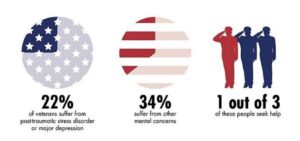
Veterans’ Mental Health: Understanding Unique Challenges and Finding Support America’s veterans are a diverse and resilient group, yet their service...

Uncategorized
Americans are increasingly aware that what we eat doesn’t just shape our bodies—it profoundly affects our minds. The growing field...
Whether you're seeking support for yourself, your child, your relationship, or your family, we're here to help. Complete the form below, and we'll contact you to discuss your needs and schedule your consultation.
Direct Inquiry
info@ourmhm.org