Uncategorized
Coping with Loneliness and Building Social Connections
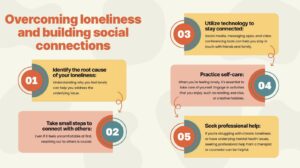
The Loneliness Epidemic in America: Causes, Health Impact, and Strategies for Connection Loneliness is a deeply human experience, but in...

Uncategorized


Stress is an inevitable part of life in America’s fast-paced, always-connected society. While some stress is normal and can even motivate us, chronic or unmanaged stress can take a significant toll on mental health, leading to anxiety, depression, and a host of physical health issues.
The good news: there are countless healthy ways to de-stress and support your mental well-being. This comprehensive guide explores practical, research-backed strategies for managing stress and nurturing your mind in today’s world.
According to the Centers for Disease Control and Prevention (CDC), stress is your body’s response to any demand or challenge. In small doses, it can help you rise to meet challenges. But when stress becomes chronic, it can disrupt every system in your body and mind.
Common symptoms of chronic stress include irritability, fatigue, trouble sleeping, headaches, muscle tension, and even a weakened immune system.
In America, high-pressure jobs, financial concerns, family responsibilities, and the constant stream of news and notifications all contribute to rising stress levels. The American Psychological Association (APA) reports that stress levels have been consistently high across the U.S. population in recent years.
Recognizing the signs of stress is the first step in learning to manage it in healthy ways.
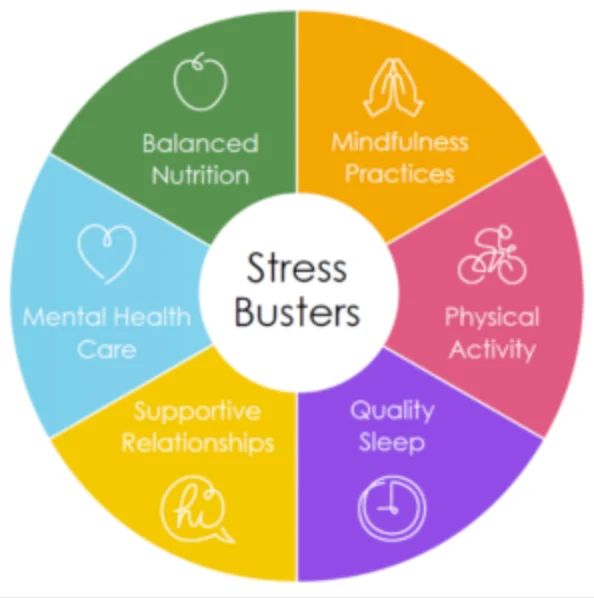
According to Mental Health America (MHA), physical activity is one of the most effective ways to reduce stress. Exercise helps burn off the energy produced by the body’s “fight or flight” response and releases endorphins—natural mood boosters.
You don’t need to run marathons to benefit. According to Harvard Health, even a brisk 20-30 minute walk, a dance session in your living room, or gentle yoga can make a difference.
Tips for incorporating exercise:
Sleep and stress are closely linked. According to MedlinePlus, poor sleep can increase stress, and stress can make it harder to sleep. Aim for 7-9 hours of quality sleep each night to help your body and mind recover.
Tips for better sleep:
The National Heart, Lung, and Blood Institute emphasizes that adequate sleep is essential for cognitive function, emotional regulation, and overall health.
According to National Institute of Mental Health (NIMH), mindfulness is the practice of focusing your attention on the present moment. Meditation, deep breathing, and guided imagery are proven techniques to calm the mind, reduce anxiety, and build resilience.
Simple mindfulness practices:
The Harvard Health guide to relaxation techniques provides additional methods for stress reduction.
Humans are social creatures, and strong relationships are a buffer against stress. According to MHA, talking with friends, family, or support groups can provide perspective, comfort, and practical advice.
Ways to connect:
NAMI (National Alliance on Mental Illness) offers resources for building social connections and managing stress.
According to MHA, doing something you enjoy—whether it’s painting, gardening, playing music, or working on puzzles—can help you “zone out” from worries and relax your mind. Creative expression is linked to improved mood and reduced anxiety.
Ideas to try:
According to University of Colorado, nature has a calming effect on the mind. Spending time outdoors, even for a short walk or simply sitting in the sun, can boost your mood and reduce stress.
Nature-based de-stress tips:
Research shows that even 20 minutes in nature significantly reduces cortisol levels.
According to MHA, focusing on what you’re grateful for shifts your mindset from stress to positivity. Keeping a gratitude journal or simply noting three things you’re thankful for each day can help train your brain to focus on the good.
How to start a gratitude practice:
The American Heart Association notes that gratitude practices are linked to lower blood pressure and improved heart health.
Constant exposure to negative news and social media can fuel anxiety and stress. According to CDC, taking intentional breaks helps protect your mental health.
Tips for managing media consumption:
According to MHA, there are many simple, quick relaxation techniques you can use throughout the day to manage stress.
Quick relaxation techniques:
Try different methods to see what works best for you.
According to ODPHP, nutrition affects mood and stress levels. Eating regular, balanced meals with plenty of fruits, vegetables, whole grains, and lean proteins helps stabilize your energy and mood.
Nutrition tips for stress management:
NIMH emphasizes that nutrition is a key component of stress management.
According to University of Colorado, laughter is a powerful antidote to stress. Watch a funny movie, spend time with playful friends, or enjoy a lighthearted activity.
Play—whether with kids, pets, or through games—boosts endorphins and helps you feel more relaxed. Laughter reduces cortisol and increases oxygen intake, creating an immediate sense of well-being.
According to MHA, let go of perfectionism and the “superhero” urge. Be realistic about what you can accomplish, and don’t be afraid to say no to extra responsibilities. Treat yourself with kindness, as you would a friend.
Self-compassion practices:
According to MHA, clutter can contribute to stress. Taking a few minutes to tidy up your workspace or home can make your environment feel more peaceful and manageable.
Simple organizing tips:
Sometimes, stress becomes overwhelming or persistent. According to MedlinePlus, if you find it hard to cope, reach out to a mental health professional. Therapy, counseling, or support groups can provide valuable tools and support.
Signs you may need professional help:
If you or someone you know is in crisis, the 988 Suicide & Crisis Lifeline (call or text 988) is available 24/7.
For a quick assessment of your mental health, take this free 5-question mental health check.
According to MHA, create a dedicated area in your home for relaxation. Fill it with things that help you unwind, like a favorite blanket, calming music, or a good book. Use this space whenever you need a break.
Calm space ideas:
Use this daily checklist to maintain your stress management routine:
Managing stress is not about eliminating it entirely, but about learning healthy ways to cope and build resilience. By incorporating these strategies into your daily routine, you can protect your mental health, boost your mood, and enjoy a more balanced, fulfilling life in America’s fast-paced world.
Remember, everyone’s journey is unique—experiment with different techniques and find what works best for you. And most importantly, know that it’s okay to ask for help and prioritize your well-being. You deserve it.
Crisis support: If you are in crisis, call or text 988 (Suicide and Crisis Lifeline).
Please note: This blog is for informational purposes only and is not a substitute for professional medical advice, diagnosis, or treatment. Always seek the advice of your mental health provider with any questions you may have regarding a medical condition.
This comprehensive guide was published on May 18, 2026. Sources include the CDC, NIMH, APA, MHA, NAMI, Harvard Health, MedlinePlus, University of Colorado, American Heart Association, and ODPHP.
JOURNAL
Uncategorized
The Loneliness Epidemic in America: Causes, Health Impact, and Strategies for Connection Loneliness is a deeply human experience, but in...
Uncategorized
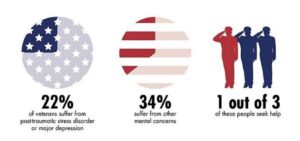
Veterans’ Mental Health: Understanding Unique Challenges and Finding Support America’s veterans are a diverse and resilient group, yet their service...
Uncategorized
Therapist Tips for Parents Supporting Children’s Mental Health: A Complete Guide Children’s mental health is a growing concern in the...
Whether you're seeking support for yourself, your child, your relationship, or your family, we're here to help. Complete the form below, and we'll contact you to discuss your needs and schedule your consultation.
Direct Inquiry
info@ourmhm.org