Uncategorized
Coping with Loneliness and Building Social Connections
The Loneliness Epidemic in America: Causes, Health Impact, and Strategies for Connection Loneliness is a deeply human experience, but in...

Uncategorized


Grief is an inevitable part of the human experience, touching nearly every life in America at some point. Whether the loss is due to death, divorce, job loss, or another significant life change, the impact can be profound and far-reaching. Understanding how to cope with grief, access support, and protect mental health is vital for individuals, families, and communities across the country.
This comprehensive guide explores the scope of grief in America, its impact on mental health, evidence-based coping strategies, therapeutic approaches, and resources for support.
Grief is widespread in the United States. According to LAOP Center research, a 2019 survey found that 780 out of 1,084 U.S. participants reported experiencing grief due to a life event within the previous three years.
The most common symptoms include sadness (76%), depression (43%), fatigue (59%), and changes in appetite (48%). Notably, 7–10% of bereaved adults develop persistent symptoms of prolonged grief disorder, a condition that can significantly impair mental health and daily functioning.
Children are also deeply affected by loss: 1 in 12 children in the U.S. will experience the death of a parent or sibling by age 18, and 64% of teachers have observed the negative effects of grief on children. The workplace is not immune; grief-related productivity loss was estimated at over $75 billion in 2003.
According to SAMHSA, grief is a natural response to loss, but when it becomes overwhelming, professional help is available.
Grief is a complex emotional response that can lead to a range of mental and physical health challenges. According to the Mental Health America, the effects include:
According to NIH research, severe grief reactions are associated with increased anxiety, depression, and poorer self-rated health, especially among women. The NIH News in Health emphasizes that grief can affect the immune system, increasing vulnerability to illness.
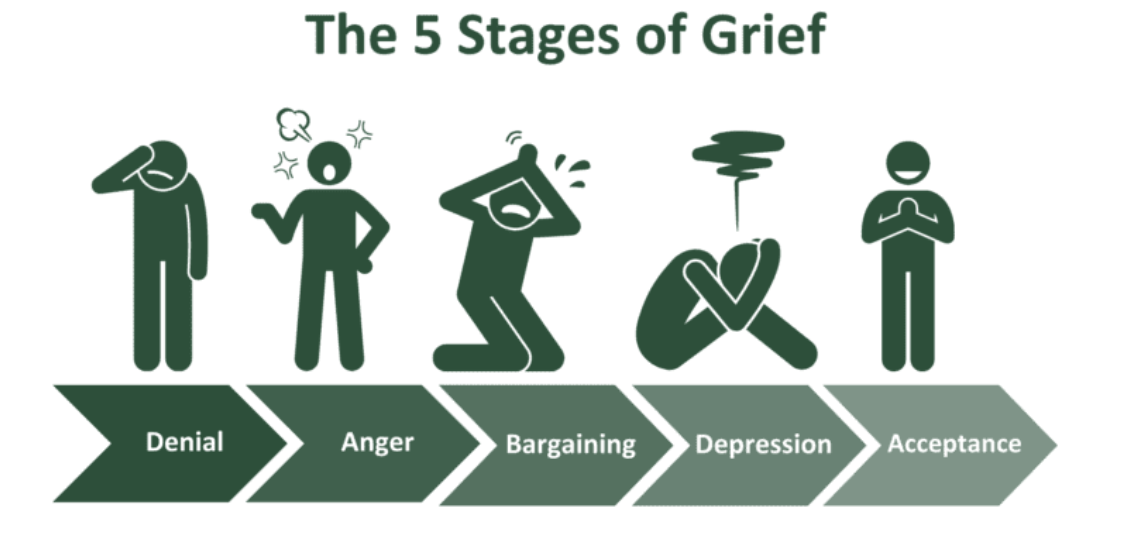
Grief is deeply personal and varies widely from person to person. According to Calm, while models like the “five stages of grief” (denial, anger, bargaining, depression, acceptance) are well-known, not everyone experiences these stages in order, or at all. The process is influenced by factors such as the nature of the loss, personal coping skills, available support, and cultural background.
Key aspects of the grieving process include:
The American Psychological Association notes that there is no “right” way to grieve and no set timeline for healing.
While grief cannot be rushed or “fixed,” there are evidence-based strategies and supports that can ease the journey. According to Mental Health America, the following strategies are effective.
Suppressing emotions or pretending to be “fine” can prolong suffering. Allow yourself to mourn and express your feelings, whether through talking, writing, art, or other outlets.
Isolation can intensify grief. Reaching out to friends, family, or support groups can provide comfort and understanding. According to Charlie Health, studies show that social support during bereavement helps reduce loneliness, sadness, and depressive symptoms. Support groups—whether in person or online—offer a space to share experiences and find validation.
Grief can take a toll on the body. Be mindful of nutrition, sleep, and exercise. Avoid relying on alcohol or medication to numb pain, and consult your doctor if you notice significant changes in your health.
Avoid making significant decisions—like moving, changing jobs, or remarrying—immediately after a loss. Give yourself time to adjust before taking on new stressors.
Grief is not linear and can take months or even years to process. Be patient with yourself and recognize that healing takes time.
According to Psych Central, acceptance does not mean being “okay” with the loss, but rather learning to live with it. Focusing on what comes next and finding meaning in the experience can foster hope and gratitude.
If grief feels overwhelming or persists, seeking professional help is a sign of strength. Therapists trained in grief counseling can provide tools and support to navigate the process.
Grief counseling helps individuals process their loss, accept the reality, and develop coping strategies. According to the National Institute on Aging, it can be especially helpful for those experiencing complicated or prolonged grief.
Therapy modalities include:
Columbia University’s Center for Prolonged Grief offers specialized treatment resources for clinicians and individuals.
Bereavement support groups offer emotional relief, social connection, and understanding, especially in the early stages of grief. According to NIH research, group support can reduce vulnerability and stress. For children, attending grief groups has been shown to help process emotions and foster connection.
The Association for Behavioral and Cognitive Therapies provides fact sheets on complicated grief and treatment options.
Many communities provide grief counseling, support groups, and resources through hospitals, senior centers, faith communities, and online platforms. According to NIA, online therapy and forums can be especially valuable for those who are isolated or prefer virtual support.
HelpGuide offers free articles and resources for coping with grief and loss.
Most people find that grief becomes more manageable over time. However, according to American Psychiatric Association, professional help may be needed if:
Prolonged grief disorder, recognized in the DSM-5-TR, is characterized by enduring, disabling symptoms that persist beyond the expected period of mourning. Evidence-based treatments, particularly those incorporating CBT, are effective for this condition.
The Substance Abuse and Mental Health Services Administration (SAMHSA) offers a national helpline at 1-800-662-4357 for those seeking mental health support.
For a quick assessment of your mental health, take this free 5-question mental health check.
If someone you know is grieving, according to LA County Department of Mental Health, here is how you can help:
HelpGuide offers additional tips for supporting loved ones through grief.
Grief is a universal, yet deeply personal, journey. Its impact on mental health can be significant, but with time, support, and effective coping strategies, healing is possible. Whether through personal resilience, social connection, or professional guidance, those experiencing loss can find hope and meaning again.
If you or someone you know is struggling with grief, remember: you are not alone. Support is available, and reaching out is a courageous step toward healing.
Resources for Immediate Support:
Grief may change your life, but it does not have to define it. With compassion, patience, and the right support, brighter days can return.
Please note: This blog is for informational purposes only and is not a substitute for professional medical advice, diagnosis, or treatment. Always seek the advice of your mental health provider with any questions you may have regarding a medical condition.
This comprehensive guide was published on May 18, 2026. Sources include Mental Health America, SAMHSA, American Psychiatric Association, American Psychological Association, NIH, National Institute on Aging, Columbia University, and Charlie Health.
JOURNAL
Uncategorized
The Loneliness Epidemic in America: Causes, Health Impact, and Strategies for Connection Loneliness is a deeply human experience, but in...
Uncategorized
Veterans’ Mental Health: Understanding Unique Challenges and Finding Support America’s veterans are a diverse and resilient group, yet their service...

Uncategorized
Therapist Tips for Parents Supporting Children’s Mental Health: A Complete Guide Children’s mental health is a growing concern in the...
Whether you're seeking support for yourself, your child, your relationship, or your family, we're here to help. Complete the form below, and we'll contact you to discuss your needs and schedule your consultation.
Direct Inquiry
info@ourmhm.org