
Uncategorized
Coping with Loneliness and Building Social Connections
The Loneliness Epidemic in America: Causes, Health Impact, and Strategies for Connection Loneliness is a deeply human experience, but in...

Uncategorized


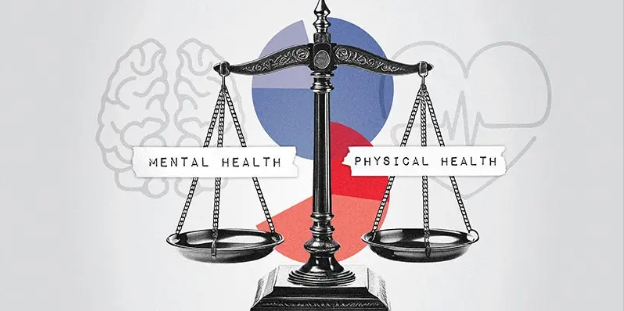
The relationship between physical and mental health is a dynamic, bidirectional partnership that profoundly shapes the well-being of individuals and communities across the United States. In recent years, this connection has come into sharper focus as the nation grapples with rising rates of chronic illness, mental health disorders, and lifestyle-related diseases.
Understanding how the mind and body interact is crucial for developing effective strategies to improve health outcomes and quality of life for all Americans. This comprehensive guide explores the science behind the mind-body connection, current health statistics in America, and practical steps for holistic wellness.
The concept of the mind-body connection is not new, but modern science has provided robust evidence to support what many have long intuited: our mental and physical health are deeply intertwined. According to Mayo Clinic, the mind-body connection refers to the interplay between our thoughts, emotions, and physiological responses.
For instance, anxiety can manifest as an upset stomach or sweaty palms, while physical illnesses like the flu can dampen mood and cognitive function. This two-way street means that what happens in the mind influences the body, and vice versa.
Harvard Medical School experts confirm that thoughts, beliefs, and emotions can trigger physiological changes, impacting everything from heart rate to immune function. Conversely, the state of our bodies—whether healthy or ailing—can significantly affect our mood, motivation, and mental clarity.
The University of Chicago notes that the vagus nerve, which connects the brain to the heart, lungs, and digestive tract, plays a key role in this bidirectional communication. Chronic stress can disrupt vagal tone, leading to both mental and physical symptoms.
Mental health disorders are widespread in the United States. According to the National Institute of Mental Health (NIMH), nearly 60 million adults—about one in five—experienced a mental illness in the past year.
Alarmingly, nearly 13 million adults reported serious thoughts of suicide, and the nation saw a record number of suicide deaths in 2022. Anxiety and depression are particularly prevalent, with anxiety disorders affecting over 42 million Americans.
The crisis is especially acute among youth. According to the CDC, one in five young people aged 12-17 experienced at least one major depressive episode in the past year, yet more than half did not receive any mental health treatment.
Persistent feelings of sadness and hopelessness have increased by 40% among high school students over the past decade, and suicide is now the second leading cause of death for Americans aged 10-24.
Despite the urgent need, barriers to mental health care remain significant. According to Gallup, almost six in ten people with mental illness receive no treatment, often due to high costs, lack of insurance, or a shortage of providers. Stigma and misconceptions about mental health further discourage many from seeking help.
Physical health is also under strain. According to Statista, only about 40% of adults in the U.S. report their physical health as excellent or very good.
Chronic diseases such as heart disease, diabetes, obesity, and cancer are widespread, often exacerbated by lifestyle factors like poor diet, lack of exercise, and substance use.
Physical inactivity is a major concern. The CDC reports that among adults, less than a quarter meet the guidelines for both aerobic and muscle-strengthening activities, while nearly half do not meet the guidelines for either.
The situation is even more dire for children and adolescents. According to KUMC research, only 20% to 28% of those aged 6-17 get the recommended 60 minutes of daily physical activity, earning the nation a “D-” grade for youth fitness.
Obesity rates have also reached alarming levels. The CDC reports that adult obesity prevalence now exceeds 35% in 17 states, with significant implications for both physical and mental health.
Poor mental health can have profound effects on physical well-being. According to WebMD, depression, anxiety, and other mental disorders are linked to increased risk of chronic diseases such as diabetes, cardiovascular disease, asthma, and arthritis.
Key pathways include:
According to the McLean Hospital, the mortality rate from diseases like cancer and heart disease is higher among those with mental health conditions, underscoring the tangible impact of mental well-being on physical survival.
A landmark study published in PMC found that individuals with severe mental illness die an average of 10-25 years earlier than the general population, primarily from preventable physical conditions.
Conversely, poor physical health can undermine mental well-being. According to PPIMHS, chronic illnesses, obesity, and inactivity are all associated with increased risk of depression, anxiety, and other mental health disorders.
Physical symptoms such as pain, fatigue, and sleep disturbances can fuel feelings of hopelessness and stress, creating a vicious cycle that worsens both conditions.
On the positive side, improving physical health can bolster mental health. According to Better Health, regular exercise, balanced nutrition, and adequate sleep are powerful tools for managing stress, reducing symptoms of depression and anxiety, and enhancing mood and self-esteem.
Physical activity stands out as one of the most effective ways to support both physical and mental health. Exercise releases endorphins and other neurotransmitters that elevate mood, reduce stress, and improve cognitive function.
According to ODPHP, studies have shown that regular physical activity can:
Even brief bouts of exercise can have immediate positive effects on mood and stress levels. According to research published in PMC, as little as 10 minutes of moderate-intensity exercise can significantly improve mood for several hours.
Over time, consistent physical activity can lead to lasting improvements in mental health, making it a cornerstone of holistic well-being.
Unfortunately, most Americans fall short of recommended activity levels. This shortfall is particularly pronounced among children and adolescents, where physical inactivity is contributing to rising rates of obesity and mental health challenges.
Nutrition and sleep are equally vital in the mind-body equation. According to American Psychiatric Association, a balanced diet provides the nutrients necessary for brain function, hormone regulation, and immune defense, all of which influence mood and resilience to stress.
Conversely, poor nutrition can exacerbate symptoms of depression and anxiety. Diets high in processed foods, refined sugars, and unhealthy fats are associated with higher rates of depression, while Mediterranean and whole-food diets are linked to better mental health outcomes.
Sleep is another critical factor. According to Emerson Hospital, sleep disturbances are both a symptom and a cause of mental health problems. Insufficient or poor-quality sleep impairs cognitive function, emotional regulation, and physical recovery, while also increasing the risk of chronic diseases.
The CDC recommends that adults get 7-8 hours of quality sleep per night, yet more than one-third of U.S. adults report sleeping less than 7 hours per night.
Chronic stress is a common thread linking physical and mental health problems. According to Emerson Hospital, prolonged stress can trigger physiological changes such as increased inflammation, hormonal imbalances, and impaired immune function, all of which raise the risk of both mental and physical illnesses.
The stress response—often called “fight or flight”—activates the release of cortisol and adrenaline. While helpful in short bursts, chronic activation of this system leads to wear and tear on the body, contributing to hypertension, weakened immunity, digestive problems, and mental health disorders.
Effective stress management—through mindfulness, exercise, social support, and healthy routines—is essential for maintaining overall well-being.
According to Calm, mindfulness meditation has been shown to reduce cortisol levels, lower blood pressure, and decrease symptoms of anxiety and depression.
Despite growing awareness, significant gaps remain in how mental and physical health are addressed in America. According to AAMC, most Americans believe that mental health care is handled worse than physical health care, citing issues of affordability, accessibility, and stigma.
Disparities in access to care are particularly pronounced among minority and low-income populations, who are less likely to receive timely and effective treatment for both physical and mental health conditions.
The KFF reports that Black and Hispanic adults are significantly less likely to receive mental health treatment compared to White adults, even when experiencing similar levels of distress.
Rural communities also face unique challenges, including provider shortages, transportation barriers, and limited access to specialized care.
The evidence is clear: treating mental and physical health as separate domains is both outdated and ineffective. According to McLean Hospital, integrated care models that address the whole person—mind and body—are essential for improving outcomes and reducing the burden of disease.
Prevention and early intervention are also crucial. Encouraging healthy behaviors from a young age, promoting physical activity, ensuring access to nutritious food, and providing mental health education can help prevent the onset of both mental and physical health problems.
The World Health Organization emphasizes that population-level interventions—such as community exercise programs, school-based nutrition education, and workplace wellness initiatives—can substantially reduce the burden of both physical and mental illness.
Here are evidence-based strategies to support both physical and mental health:
For a quick assessment of your mental health, take this free 5-question mental health check.
If you are looking for a mental health provider, please schedule an appointment with our team.
The connection between physical and mental health is undeniable and deeply consequential for the health of America. By recognizing and nurturing this relationship, individuals and communities can foster resilience, prevent disease, and enhance quality of life.
As the World Health Organization states, “There is no health without mental health”—and the same is true in reverse. The path forward lies in embracing a holistic approach that honors the inseparable bond between body and mind.
“True enjoyment comes from activity of the mind and exercise of the body; the two are united.” – Wilhelm von Humboldt
Let us move toward a future where every American has the opportunity to thrive—physically, mentally, and emotionally.
Please note: This blog is for informational purposes only and is not a substitute for professional medical advice, diagnosis, or treatment. Always seek the advice of your mental health provider with any questions you may have regarding a medical condition.
This comprehensive guide was published on May 18, 2026. Sources include the National Institute of Mental Health, CDC, Mayo Clinic, Harvard Medical School, World Health Organization, American Psychiatric Association, McLean Hospital, and the University of Chicago.
JOURNAL
Uncategorized
The Loneliness Epidemic in America: Causes, Health Impact, and Strategies for Connection Loneliness is a deeply human experience, but in...
Uncategorized
Veterans’ Mental Health: Understanding Unique Challenges and Finding Support America’s veterans are a diverse and resilient group, yet their service...

Uncategorized
Therapist Tips for Parents Supporting Children’s Mental Health: A Complete Guide Children’s mental health is a growing concern in the...
Whether you're seeking support for yourself, your child, your relationship, or your family, we're here to help. Complete the form below, and we'll contact you to discuss your needs and schedule your consultation.
Direct Inquiry
info@ourmhm.org