Uncategorized
Coping with Loneliness and Building Social Connections
The Loneliness Epidemic in America: Causes, Health Impact, and Strategies for Connection Loneliness is a deeply human experience, but in...

Uncategorized


Depression is a pervasive mental health challenge in the United States, affecting millions of adults and adolescents each year. According to the National Institute of Mental Health (NIMH), an estimated 14.5 million U.S. adults experienced at least one major depressive episode with severe impairment in 2021, representing 5.7% of all adults, while 5 million adolescents aged 12 to 17—about 20% of that age group—were similarly affected.
Despite these staggering numbers, many Americans struggle to access effective care, and stigma remains a barrier to seeking help. Understanding and utilizing coping techniques is a crucial step in managing depression, whether as a supplement to professional treatment or as a means of self-care during difficult periods.
This comprehensive guide explores evidence-based coping skills for depression, practical techniques, and when to seek professional help.
According to a JAMA clinical review, depression is more than just feeling sad or having a bad day. It is a complex mental health disorder characterized by persistent low mood, loss of interest in activities, changes in sleep and appetite, difficulty concentrating, feelings of worthlessness or guilt, and, in severe cases, thoughts of self-harm or suicide.
The condition can be triggered by a combination of genetic, biological, environmental, and psychological factors. The NIMH emphasizes that depression is a real medical condition, not a personal weakness or character flaw.
Common symptoms of depression include:
The CDC notes that depression often co-occurs with other physical and mental health conditions, making comprehensive care essential.
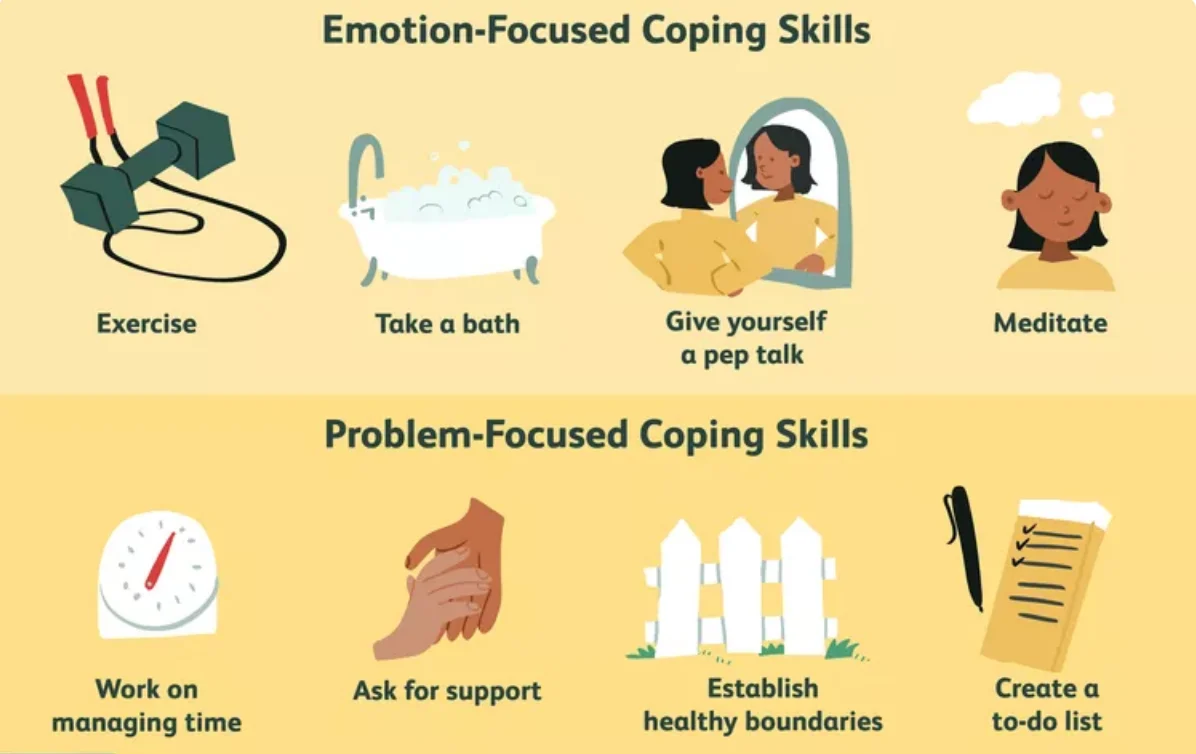
According to Therapist Aid, coping skills are strategies and behaviors that help individuals manage the symptoms of depression and improve their overall well-being. These techniques can be used in the moment to quell negative thoughts or consistently over time to gradually lift mood.
While professional treatment—such as psychotherapy and medication—is often necessary for managing moderate to severe depression, coping skills form an essential part of a comprehensive mental health plan. The American Psychological Association (APA) strongly recommends combining evidence-based coping strategies with professional treatment for optimal outcomes.
Building a personalized “coping toolbox” empowers individuals to take an active role in their mental health recovery.
Behavioral activation is a cornerstone of depression treatment. According to the APA Clinical Practice Guideline, it involves encouraging individuals to engage in activities that they once found enjoyable or meaningful, even if they don’t initially feel motivated. This process helps break the cycle of withdrawal and inactivity that often perpetuates depression.
Examples of behavioral activation activities:
By actively participating in pleasurable activities, individuals can gradually improve their mood and sense of accomplishment. PMC research confirms that behavioral activation is as effective as medication for mild to moderate depression.
CBT is a widely recognized, evidence-based therapy that helps individuals identify and challenge negative thought patterns and behaviors. According to Bloomington Meadows, through CBT, people learn to replace distorted thinking with more balanced perspectives and develop coping skills to manage difficult emotions.
CBT can be delivered individually, in groups, or even through digital platforms. Key CBT techniques include:
Mindfulness involves focusing on the present moment and accepting thoughts and feelings without judgment. According to GoodRx, research shows that mindfulness and meditation can help regulate emotions and reduce symptoms of depression by interrupting cycles of rumination and worry.
Mindfulness techniques for depression:
HelpGuide offers free mindfulness resources specifically for depression management.
Isolation often worsens depression. According to Mental Health America (MHA), maintaining connections with friends, family, or support groups provides emotional support and a sense of belonging. Even reaching out to a trusted person to talk, text, or simply sit together can be a powerful coping tool.
Ways to build social support:
Writing about thoughts and feelings can help process emotions and gain perspective. According to Therapist Aid, positive journaling—such as listing things you’re grateful for—can shift focus away from negative thoughts and foster hope.
Journaling prompts for depression:
Physical activity is a potent mood booster. According to NHS UK, exercise releases endorphins, reduces stress, and improves sleep and self-esteem. Activities don’t need to be strenuous; even a short walk, gentle yoga, or stretching can make a difference.
Exercise guidelines for depression:
Engaging in creative activities—art, music, writing—provides a healthy way to express emotions and can offer a sense of accomplishment. According to Bloomington Meadows, creative expression can also serve as a distraction from negative thoughts and help develop new coping strategies.
Creative activities to try:
Attending to basic needs is fundamental. According to MHA, this includes:
Routines provide structure and predictability, which can be comforting during periods of emotional turmoil. The National Institute on Aging emphasizes that routines are especially important for older adults experiencing depression.
Relaxation exercises help manage physical symptoms of depression and stress. According to MHA, these can include:
Tuning into the five senses—touch, sight, sound, taste, and smell—can also ground individuals during moments of distress.
According to Verywell Health, building a personalized coping toolbox can make it easier to manage depressive episodes. Here are practical ideas:
Mood boosters: Watch a favorite movie, play with a pet, read an inspiring story, listen to uplifting music, or revisit a cherished memory.
Sensory comfort: Use a stress ball, wrap up in a soft blanket, light a scented candle (lavender is calming), take a warm bath, or sip herbal tea.
Emotional processing: Allow yourself to cry, draw your feelings, write a letter (even if you never send it), or talk to a trusted friend.
Vent safely: Talk to someone you trust or write in a private journal—avoid venting on social media during emotional moments, which can increase distress.
Ask for help: Reach out to friends, family, or a mental health professional. If you’re in crisis, contact a helpline such as 988 (Suicide and Crisis Lifeline) or text HELLO to 741741.
For a quick assessment of your mental health, take this free 5-question mental health check.
While coping skills are invaluable, they are not a substitute for professional treatment when depression is moderate to severe. According to NIMH, about 61% of adults with major depressive episodes received treatment in 2021, but that still leaves millions without adequate care.
Treatments may include:
Mayo Clinic offers comprehensive information on depression treatment options.
The Substance Abuse and Mental Health Services Administration (SAMHSA) provides a national helpline at 1-800-662-4357 for those seeking mental health services.
If you or someone you know is struggling with depression, seeking professional help is a vital step. Therapy can help identify the root causes of depression, develop coping strategies, and provide a safe, non-judgmental space for healing.
Despite growing awareness, stigma around mental health persists in America. Many people feel shame or fear judgment for seeking help. Education, open conversations, and advocacy are essential to break down these barriers and encourage more individuals to access the support they need.
Mental Health America offers resources for understanding depression and fighting stigma.
Depression is a serious but treatable condition. Coping techniques—such as behavioral activation, CBT, mindfulness, social support, journaling, exercise, creative outlets, self-care, and relaxation—can empower individuals to manage symptoms and reclaim their lives.
Building a coping toolbox and seeking professional help when needed are critical steps on the path to recovery. If you’re struggling, remember: you are not alone. Reach out, take small steps, and give yourself grace. Healing is possible, and support is available—both within yourself and in your community.
Crisis support: If you are in crisis, call or text 988 (Suicide and Crisis Lifeline).
Please note: This blog is for informational purposes only and is not a substitute for professional medical advice, diagnosis, or treatment. Always seek the advice of your mental health provider with any questions you may have regarding a medical condition.
This comprehensive guide was published on May 18, 2026. Sources include NIMH, APA, JAMA, MHA, SAMHSA, Mayo Clinic, CDC, NHS UK, and PMC research.
JOURNAL
Uncategorized
The Loneliness Epidemic in America: Causes, Health Impact, and Strategies for Connection Loneliness is a deeply human experience, but in...
Uncategorized
Veterans’ Mental Health: Understanding Unique Challenges and Finding Support America’s veterans are a diverse and resilient group, yet their service...

Uncategorized
Therapist Tips for Parents Supporting Children’s Mental Health: A Complete Guide Children’s mental health is a growing concern in the...
Whether you're seeking support for yourself, your child, your relationship, or your family, we're here to help. Complete the form below, and we'll contact you to discuss your needs and schedule your consultation.
Direct Inquiry
info@ourmhm.org