Uncategorized
Coping with Loneliness and Building Social Connections
The Loneliness Epidemic in America: Causes, Health Impact, and Strategies for Connection Loneliness is a deeply human experience, but in...

Uncategorized


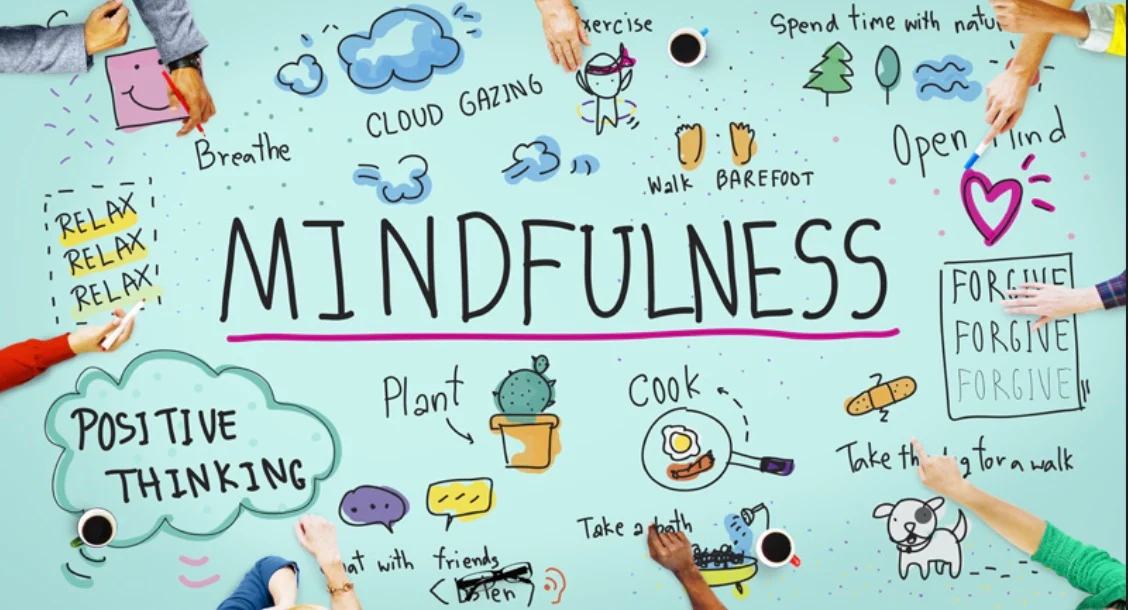
The mental health crisis in America is a growing concern, with millions of adults and children experiencing stress, anxiety, depression, and related disorders each year. As traditional approaches to mental health care are increasingly complemented by holistic strategies, mindfulness has emerged as a powerful, evidence-based tool for promoting psychological well-being.
This comprehensive guide explores how mindfulness can support mental health in America, examining its benefits, scientific foundations, practical techniques, and the broader societal impact.
According to Mental Health UK, mindfulness is the practice of paying attention to the present moment with openness, curiosity, and without judgment. Rooted in ancient contemplative traditions, it has been adapted into Western medicine and psychology as a secular, accessible approach to mental wellness.
Mindfulness can be cultivated through formal practices like meditation, as well as informal methods such as mindful walking, eating, or breathing. Harvard Health emphasizes that mindfulness is not about emptying the mind but about training attention.
The American Psychological Association (APA) defines mindfulness as “awareness of one’s internal states and surroundings,” which can be cultivated through meditation and other practices.
Mental health challenges in the United States are widespread. According to Mental Health America (MHA), anxiety, depression, substance use disorders, and stress-related conditions affect a significant portion of the population. The COVID-19 pandemic, economic uncertainties, and social isolation have exacerbated these issues, highlighting the urgent need for effective, scalable interventions.
Nearly 1 in 5 American adults lives with a mental illness, and suicide is a leading cause of death nationwide. Against this backdrop, mindfulness offers a low-cost, accessible tool that individuals can use to supplement professional care.
A robust body of research supports the effectiveness of mindfulness-based interventions for mental health. According to Midwest Clinical, studies show that mindfulness can:
Research published in PMC (NIH database) demonstrates that mindfulness-based programs, such as Mindfulness-Based Stress Reduction (MBSR) and Mindfulness-Based Cognitive Therapy (MBCT), have demonstrated small to moderate but lasting reductions in psychological distress across diverse populations.
A comprehensive meta-analysis in Nature confirmed that mindfulness-based interventions are effective for reducing anxiety, depression, and stress compared to no treatment or minimal treatment controls.
Mindfulness practices induce measurable changes in brain structure and function. According to APA Monitor, regular meditation is associated with increased gray matter density in areas linked to emotional regulation, attention, and self-awareness—including the prefrontal cortex, anterior cingulate cortex, and hippocampus.
Harvard research shows that mindfulness meditation can reduce activity in the default mode network—the brain network responsible for mind-wandering and self-referential thoughts—which is hyperactive in depression and anxiety.
These changes underlie improvements in cognitive flexibility and the ability to disengage from negative emotional stimuli.
According to NHS UK, mindfulness works by:
APA emphasizes that mindfulness helps individuals relate differently to their thoughts—observing them without judgment rather than being controlled by them.
Mindfulness is accessible to people of all ages and backgrounds. According to Healthline, here are widely used techniques:
Calm offers guided mindfulness exercises for beginners. The Mind UK also provides free mindfulness resources.
Mindfulness is increasingly incorporated into mainstream mental health care. According to Choosing Therapy, therapists and counselors use mindfulness techniques alongside cognitive-behavioral therapy and other evidence-based treatments.
Mindfulness-based interventions are effective for:
Cleveland Clinic reports that nearly half of Americans now prioritize mental health with daily mindful moments.
Mindfulness is not a replacement for medication or therapy in severe cases but serves as a valuable adjunct that empowers individuals to manage their symptoms and build resilience.
Mindfulness and meditation practices have seen a surge in popularity in the United States. According to the National Center for Complementary and Integrative Health (NCCIH), the percentage of adults practicing meditation more than doubled between 2002 and 2022, with nearly 1 in 5 Americans (over 60 million people) engaging in meditation.
Research published in Nature Scientific Reports confirms similar numbers practicing yoga. The growth is evident across all age groups, including children and older adults.
The CDC notes that workplace mindfulness programs have become increasingly common, with employers recognizing the ROI of stress reduction.
Mindfulness is adaptable to various settings, including schools, workplaces, healthcare facilities, and community centers. According to NCCIH, it requires no special equipment and can be practiced individually or in groups, making it accessible to people regardless of income, education, or geographic location.
Free resources like MHA’s meditation resources and Mind UK’s mindfulness guide make the practice accessible to all.
Mindfulness has ripple effects that extend beyond personal well-being:
JAMA Psychiatry has published research on the cost-effectiveness of mindfulness-based interventions in healthcare settings.
While the benefits of mindfulness are well-documented, it is not a panacea. According to Counseling Today, some individuals may not experience significant benefits, and a small number may even find certain practices uncomfortable, especially those with trauma histories.
Mindfulness is most effective when taught by qualified instructors and integrated into a broader mental health strategy.
Additionally, while app-based and self-guided mindfulness programs are popular, current evidence published in Nature suggests that teacher-led or group-based interventions may be more effective, particularly for those with moderate to severe psychological distress.
For those with post-traumatic stress disorder (PTSD), VA research suggests that trauma-focused therapies remain first-line, though mindfulness can be a helpful adjunct.
For a quick assessment of your mental health, take this free 5-question mental health check.
For those new to mindfulness, here are tips from Mayo Clinic:
Positive Psychology offers a comprehensive list of mindfulness exercises for different contexts.
Mindfulness offers a practical, evidence-based approach to supporting mental health in America. By fostering present-moment awareness, emotional regulation, and resilience, mindfulness empowers individuals to navigate life’s challenges with greater ease and compassion.
As mindfulness continues to gain traction across the country—with over 60 million Americans now practicing meditation—it holds promise not only for individual healing but also for building healthier, more connected communities.
Whether practiced alone or as part of a broader therapeutic plan, mindfulness is a valuable tool for anyone seeking to enhance their mental well-being in today’s fast-paced world.
Crisis support: If you are in crisis, call or text 988 (Suicide and Crisis Lifeline).
Please note: This blog is for informational purposes only and is not a substitute for professional medical advice, diagnosis, or treatment. Always seek the advice of your mental health provider with any questions you may have regarding a medical condition.
If you or someone you know is struggling with mental health, reach out to a healthcare professional. Mindfulness is a supportive tool, but it is important to seek comprehensive care when needed.
This comprehensive guide was published on May 18, 2026. Sources include NCCIH, APA, MHA, Nature, Harvard Health, Mayo Clinic, Cleveland Clinic, JAMA Psychiatry, and the VA National Center for PTSD.
JOURNAL
Uncategorized
The Loneliness Epidemic in America: Causes, Health Impact, and Strategies for Connection Loneliness is a deeply human experience, but in...
Uncategorized
Veterans’ Mental Health: Understanding Unique Challenges and Finding Support America’s veterans are a diverse and resilient group, yet their service...

Uncategorized
Therapist Tips for Parents Supporting Children’s Mental Health: A Complete Guide Children’s mental health is a growing concern in the...
Whether you're seeking support for yourself, your child, your relationship, or your family, we're here to help. Complete the form below, and we'll contact you to discuss your needs and schedule your consultation.
Direct Inquiry
info@ourmhm.org