Uncategorized
Coping with Loneliness and Building Social Connections
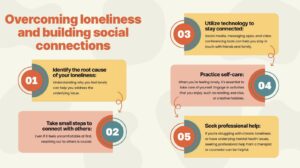
The Loneliness Epidemic in America: Causes, Health Impact, and Strategies for Connection Loneliness is a deeply human experience, but in...

Uncategorized



Anxiety can be a deeply isolating and overwhelming experience, both for those who live with it and for the people who care about them. If you have a friend or family member struggling with anxiety, you might feel helpless, unsure what to say or do, or even worried about making things worse.
The good news is that your support can make a real difference. This comprehensive guide offers practical, compassionate ways to be there for your loved one while also taking care of yourself.
Before you can truly help, it is important to understand what anxiety is—and what it is not. According to Mind UK, anxiety is not simply “worrying too much” or being “overly sensitive.” It is a real mental health condition that can affect every aspect of a person’s life, from relationships to work, and even daily routines.
Anxiety can manifest as persistent, excessive worry, panic attacks, physical symptoms (like a racing heart, sweating, or shortness of breath), and avoidance of certain situations. The NHS UK notes that anxiety disorders are among the most common mental health conditions, affecting millions of people.
Educate yourself about anxiety. Read reliable resources, listen to personal stories, and ask your loved one about their experience. Understanding their unique triggers, symptoms, and coping mechanisms will help you empathize and offer more effective support.
One of the most powerful things you can do is simply listen. According to Calm, create a safe space where your loved one feels comfortable sharing their feelings, fears, and struggles. Avoid interrupting, judging, or offering immediate solutions.
Tips for active listening:
Sometimes, your loved one may not want advice or solutions—they may just need to be heard and validated. The Lifeline Australia toolkit emphasizes that validation is one of the most powerful tools a supporter can offer.
Let your friend or family member know that it is okay to feel anxious, and that their emotions are valid—even if you don’t fully understand them. According to Everyday Health, phrases like “I’m here for you,” or “You’re not alone in this,” can be incredibly reassuring.
Avoid dismissive comments such as:
These statements can make someone feel misunderstood or ashamed of their feelings. The Anxiety and Depression Association of America (ADAA) notes that validation is a key component of effective support for loved ones with anxiety.
Anxiety often makes everyday tasks and social situations feel overwhelming. According to Banner Health, your loved one may need to take things slowly, avoid certain triggers, or say no to plans. Be patient and don’t pressure them to “get over it” or participate in things before they’re ready.
Let them know you support their boundaries and are willing to meet them where they are. Encouragement is good, but pressure can backfire and increase their anxiety. Recovery from anxiety is rarely linear—there will be good days and bad days.
Every person’s experience with anxiety is different. Some may want company, others may need space. Some might appreciate reminders to use coping skills, while others prefer distraction or help with practical tasks.
According to Johns Hopkins Medicine, ask directly: “What can I do to support you right now?” or “Would you like me to listen, or help you problem-solve?” This empowers your loved one and shows respect for their needs.
Anxiety can make daily life feel overwhelming. According to Charlie Health, offering help with small tasks can ease their burden.
Practical ways to help:
The Pine Rest blog emphasizes that practical support can be as meaningful as emotional support for someone struggling with anxiety.
If your loved one has coping techniques that work for them—such as breathing exercises, mindfulness, or physical activity—encourage and support them in using those tools.
Ways to encourage healthy coping:
Avoid pushing your own solutions or suggesting things they’re not comfortable with. Instead, support what works for them. The Mayo Clinic Health System offers additional coping strategies for anxiety.
Isolation can worsen anxiety. According to WebMD, stay in touch through texts, calls, or visits—even if your loved one sometimes declines invitations.
Ways to stay connected:
The JED Foundation notes that consistent, low-pressure connection is one of the most protective factors for mental health.
If anxiety is interfering significantly with your loved one’s life, gently encourage them to seek help from a mental health professional. According to Mental Health First Aid, offer to help them find a therapist, make an appointment, or accompany them if they’re nervous.
Remember, seeking help is a personal decision. Respect their wishes if they aren’t ready, but keep the door open for future conversations. You might say: “I’m here to help whenever you feel ready to talk to someone.”
For a quick assessment of mental health, take this free 5-question mental health check.
Ask your loved one about their triggers and respect their boundaries. According to Charlie Health, some situations, places, or topics may increase their anxiety. Being aware of these can help you avoid unintentionally making things harder.
At the same time, don’t feel responsible for “fixing” their anxiety or eliminating all triggers—focus on being supportive and understanding. It’s also important to communicate your own boundaries clearly and kindly.
Supporting someone with anxiety can be emotionally demanding. According to Pine Rest, make sure you are also looking after your own mental health.
Self-care tips for supporters:
Self-care isn’t selfish—it’s essential. The Synergy eTherapy blog emphasizes that sustainable support requires sustainable self-care.
According to Everyday Health, avoid these common mistakes:
According to WebMD, these phrases and actions are supportive:
If your loved one expresses thoughts of self-harm or suicide, take it seriously. According to Charlie Health, encourage them to contact a mental health professional or call a crisis helpline.
In the U.S., call or text 988 for immediate support from the Suicide and Crisis Lifeline.
Supporting someone with anxiety isn’t about having all the answers—it’s about showing up, listening without judgment, and offering steady, compassionate support. Your patience, understanding, and willingness to learn can make a world of difference for your loved one.
Remember: you don’t have to be perfect. Just being there, consistently and kindly, is often the best support you can give. The St. Patrick’s Mental Health Services notes that the most healing gift you can offer is your presence and acceptance.
Crisis support: If you or someone you know is in crisis, call or text 988 (Suicide and Crisis Lifeline).
Please note: This blog is for informational purposes only and is not a substitute for professional medical advice, diagnosis, or treatment. Always seek the advice of your mental health provider with any questions you may have regarding a medical condition.
This comprehensive guide was published on May 18, 2026. Sources include Mind UK, ADAA, Johns Hopkins Medicine, Mayo Clinic Health System, JED Foundation, Mental Health First Aid, Charlie Health, Everyday Health, Banner Health, WebMD, Calm, and Pine Rest.
JOURNAL
Uncategorized
The Loneliness Epidemic in America: Causes, Health Impact, and Strategies for Connection Loneliness is a deeply human experience, but in...
Uncategorized
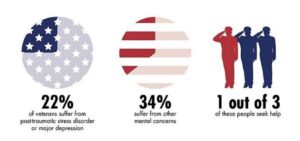
Veterans’ Mental Health: Understanding Unique Challenges and Finding Support America’s veterans are a diverse and resilient group, yet their service...

Uncategorized
Therapist Tips for Parents Supporting Children’s Mental Health: A Complete Guide Children’s mental health is a growing concern in the...
Whether you're seeking support for yourself, your child, your relationship, or your family, we're here to help. Complete the form below, and we'll contact you to discuss your needs and schedule your consultation.
Direct Inquiry
info@ourmhm.org