Uncategorized
Coping with Loneliness and Building Social Connections
The Loneliness Epidemic in America: Causes, Health Impact, and Strategies for Connection Loneliness is a deeply human experience, but in...

Uncategorized


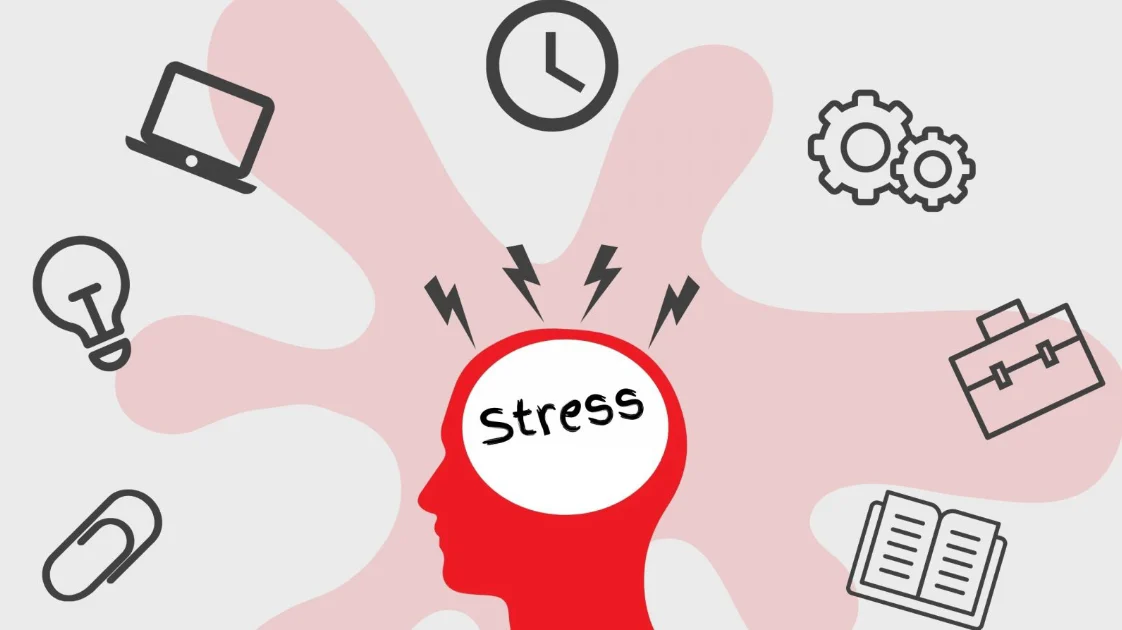
Life in America today is defined by speed, ambition, and relentless demands. From the workplace to the home, Americans are expected to juggle multiple responsibilities, stay connected 24/7, and keep up with a world that never slows down. While this fast-paced lifestyle can fuel achievement and innovation, it also brings a heavy toll: chronic stress, anxiety, and a growing sense of burnout.
Understanding how to manage stress is now more essential than ever for mental, emotional, and physical well-being. This comprehensive guide explores the American stress epidemic, its causes and consequences, and evidence-based strategies for building resilience.
According to the American Institute of Stress, recent statistics paint a sobering picture. In 2024, 43% of U.S. adults reported feeling more anxious than the previous year, with stress cited as a primary factor.
The American Psychological Association’s (APA) 2023 report found that the top causes of stress include health concerns, money, the economy, and family responsibilities—with new stressors like political turmoil and technology adding to the burden.
According to BusinessWire, a staggering 75% of employees say they struggle with low mood, much of it driven by current events and workplace pressures.
The impacts of this stress epidemic are widespread:
SingleCare reports that younger adults are particularly vulnerable, with higher rates of anxiety, avoidance of discussing stress, and greater likelihood of unhealthy coping mechanisms. Yet, only a minority seek professional help, often due to stigma or lack of access.
According to the Centers for Disease Control and Prevention (CDC), chronic stress is not just a feeling—it is a health hazard. It can lead to:
Attain Behavioral Health emphasizes that chronic stress rewires the brain’s stress response system, making individuals more reactive to future stressors and less able to regulate emotions effectively.
The American Institute of Stress estimates that workplace stress alone costs U.S. businesses over $300 billion annually in absenteeism, turnover, and reduced productivity.
The Skill Collective identifies several unique stressors in contemporary American life:
Gallup reports that Americans are sleeping less and reporting higher stress levels than a decade ago, with cascading effects on overall health.
While it is impossible to eliminate stress entirely, there are proven strategies to manage it effectively and build resilience. According to Allied Behavioral Health, the following approaches are highly effective.
Sleep: Aim for 7-9 hours per night. According to ODPHP, sleep is foundational for emotional regulation and physical health. Consistent sleep schedules and a dark, quiet bedroom improve sleep quality.
Nutrition: Eat balanced meals rich in fruits, vegetables, and whole grains. According to Mental Health America (MHA), limit caffeine and alcohol, which can disrupt sleep and mood. Omega-3 fatty acids, B vitamins, and magnesium support stress resilience.
Physical Activity: Regular exercise—whether a brisk walk, yoga, or gym workout—releases endorphins, reduces anxiety, and improves sleep. The American Heart Association recommends at least 150 minutes of moderate-intensity exercise weekly for stress reduction.
Mindfulness-based stress reduction (MBSR) techniques, such as focused breathing and meditation, have been shown to lower stress and improve emotional regulation. According to Verve Behavioral Health, even a few minutes a day can make a difference.
Simple ways to start:
Cornell Health offers free mindfulness resources for students and the public.
Learn to Say No: According to MyPsych, avoid overcommitting by setting clear boundaries at work and in your personal life. This reduces overwhelm and increases life satisfaction.
Prioritize Tasks: Use to-do lists, planners, or digital tools to organize your day. Break large projects into smaller, manageable steps.
Unplug from Technology: Schedule regular breaks from screens and notifications. Designate tech-free times, especially before bed. The Wellcare Community Health recommends at least one screen-free hour before sleep.
Strong relationships buffer the effects of stress. According to Pathways Kentucky, reach out to friends, family, or support groups when you feel overwhelmed. Even brief social interactions can lift your mood and provide perspective.
Ways to build social connection:
Positive Self-Talk: According to APA, replace negative thoughts with affirming ones. For example, “I’ll do the best I can” instead of “I can’t do this.”
Let Go of Perfectionism: Accept that mistakes are part of growth. Focus on progress, not perfection.
Keep Things in Perspective: Ask yourself, “What’s the worst that could happen?” and remember that stressful situations are often temporary.
Harvard Health suggests that cognitive reframing—changing how you interpret stressful events—is one of the most powerful stress management tools available.
Doing things you love—reading, gardening, playing with pets, or enjoying nature—naturally reduces stress and boosts happiness. According to University of Colorado, even short breaks for pleasurable activities can disrupt the cycle of stress.
Quick enjoyable activities:
If stress becomes overwhelming or leads to persistent anxiety, depression, or health issues, don’t hesitate to seek support. According to NAMI’s 2025 Workplace Mental Health Poll, many workplaces now offer mental health resources, and telehealth options have expanded access.
Signs you may need professional help:
For a quick assessment of your mental health, take this free 5-question mental health check.
Resilience is not about avoiding stress, but about bouncing back from challenges with minimal emotional upset. According to MHA, you can cultivate resilience by:
Remember, stress is a natural response to life’s demands—but it doesn’t have to control your life. By adopting healthy habits, setting boundaries, and seeking support, you can thrive even in America’s fast-paced world.
Use these quick techniques throughout the day to manage acute stress:
The pace of modern American life isn’t likely to slow down any time soon. But you can take control of your well-being by recognizing stress, understanding its sources, and using practical strategies to manage it.
Prioritize self-care, set boundaries, nurture relationships, and don’t be afraid to seek help. In doing so, you’ll not only manage stress—you’ll build a more balanced, fulfilling, and resilient life in the midst of America’s fast-paced world.
Crisis support: If you are in crisis, call or text 988 (Suicide and Crisis Lifeline).
Please note: This blog is for informational purposes only and is not a substitute for professional medical advice, diagnosis, or treatment. Always seek the advice of your mental health provider with any questions you may have regarding a medical condition.
This comprehensive guide was published on May 18, 2026. Sources include the American Institute of Stress, APA, CDC, MHA, NAMI, Harvard Health, Gallup, BusinessWire, SingleCare, ODPHP, and the American Heart Association.
JOURNAL
Uncategorized
The Loneliness Epidemic in America: Causes, Health Impact, and Strategies for Connection Loneliness is a deeply human experience, but in...
Uncategorized
Veterans’ Mental Health: Understanding Unique Challenges and Finding Support America’s veterans are a diverse and resilient group, yet their service...

Uncategorized
Therapist Tips for Parents Supporting Children’s Mental Health: A Complete Guide Children’s mental health is a growing concern in the...
Whether you're seeking support for yourself, your child, your relationship, or your family, we're here to help. Complete the form below, and we'll contact you to discuss your needs and schedule your consultation.
Direct Inquiry
info@ourmhm.org