


Trauma-Informed Therapy Explained: What Makes It Different? (2026)
Trauma can affect every part of a person’s life—from how they feel and think to how they connect with others. Yet not everyone who has experienced trauma feels ready to talk about it immediately, and that’s okay.
This is where trauma-informed therapy offers a different approach.
Rather than asking, “What’s wrong with you?” trauma-informed care asks, “What happened to you, and how can we help you feel safe?” That shift creates an environment where healing happens through trust, collaboration, and respect instead of pressure.
At Mental Health Matters Inc. (MHM), our licensed therapists provide compassionate trauma counseling for adults, adolescents, and families across the United States through both in-person and secure online therapy. Whether your experiences stem from childhood, relationships, loss, medical events, or chronic stress, therapy moves at a pace that feels right for you.
What Is Trauma-Informed Therapy?
Trauma-informed therapy is a therapeutic approach that recognizes how traumatic experiences can affect the brain, body, emotions, and relationships. Instead of focusing only on symptoms, therapists consider how past experiences may influence present challenges.
A trauma-informed therapist prioritizes:
-
Emotional and physical safety
-
Building trust
-
Collaboration instead of authority
-
Respect for personal boundaries
-
Empowering clients to make choices throughout treatment
The goal is not simply to discuss difficult experiences but to help people regain a sense of stability, confidence, and control over their lives.
Understanding Trauma Beyond Major Events
Many people associate trauma only with life-threatening experiences, but trauma can result from many different situations.
Examples include:
-
Childhood abuse or neglect
-
Domestic violence
-
Sexual assault
-
Serious accidents
-
Medical trauma
-
Grief and sudden loss
-
Military service
-
Community violence
-
Racism or discrimination
-
Ongoing emotional abuse
-
Chronic stress over long periods
Not everyone responds to these experiences in the same way. Two people can experience similar events but have very different emotional responses. Trauma-informed care recognizes these differences without judgment.
What Makes Trauma-Informed Therapy Different?
Traditional therapy and trauma-informed therapy may use many of the same evidence-based techniques. The difference lies in how therapy is delivered.
Safety Comes First
Many people who have experienced trauma feel constantly alert or overwhelmed. Trauma-informed therapists intentionally create an environment where clients feel emotionally and physically safe before exploring difficult topics.
This includes:
-
Clear communication
-
Respect for personal boundaries
-
Predictable session structure
-
Permission to slow down or pause conversations
Therapy Happens at Your Pace
One common misconception is that trauma therapy requires revisiting painful memories immediately.
In reality, experienced trauma therapists spend significant time helping clients build coping skills before discussing traumatic experiences. Some people may spend weeks or months strengthening emotional regulation before processing trauma directly.
Healing is never rushed.
Collaboration Over Control
Trauma often involves experiences where a person felt powerless.
Trauma-informed therapy restores a sense of choice by encouraging clients to participate actively in treatment decisions. Therapists regularly check in about comfort levels, goals, and preferences throughout the process.
Recognizing Trauma’s Impact on the Body
Trauma affects more than thoughts and emotions.
Many people experience:
-
Difficulty sleeping
-
Muscle tension
-
Digestive problems
-
Increased heart rate
-
Feeling “on edge”
-
Emotional numbness
Trauma-informed care acknowledges these physical responses and may include body-focused coping strategies alongside traditional talk therapy.
How Trauma Can Affect Mental Health
Trauma affects people differently depending on factors like age, support systems, personality, and the nature of the experience.
Some common effects include:
Anxiety
People may experience excessive worry, panic attacks, hypervigilance, or constant feelings of danger.
Depression
Trauma can contribute to sadness, hopelessness, low energy, and difficulty enjoying activities that once felt meaningful.
Post-Traumatic Stress Disorder (PTSD)
Some individuals develop PTSD, a mental health condition that may involve intrusive memories, nightmares, avoidance behaviors, and heightened emotional responses following traumatic events.
Relationship Challenges
Trauma may affect trust, communication, emotional intimacy, or conflict management in relationships.
Difficulty Regulating Emotions
Some people experience intense emotions, while others feel emotionally disconnected or numb.
Not everyone who experiences trauma develops PTSD, and many people benefit greatly from early therapeutic support.
Common Types of Trauma Treatment
Every person’s needs are different. Treatment plans are tailored to each individual’s goals and experiences.
Some evidence-based trauma treatment approaches include:
Trauma-Focused Cognitive Behavioral Therapy (TF-CBT)
TF-CBT helps people identify unhelpful thinking patterns while developing healthier coping skills. It is commonly used with children, adolescents, and adults.
Eye Movement Desensitization and Reprocessing (EMDR)
EMDR is an evidence-based therapy that helps people process distressing memories using guided bilateral stimulation while working with a trained therapist.
Somatic Therapy
Somatic approaches focus on the body’s physical responses to trauma, helping individuals reconnect with bodily sensations and reduce chronic stress responses.
Mindfulness-Based Approaches
Mindfulness techniques help increase awareness of thoughts, emotions, and physical sensations without judgment, supporting emotional regulation.
Your therapist may combine multiple approaches depending on your goals and progress.
Who Can Benefit from Trauma Counseling?
Trauma counseling can help individuals who have experienced:
-
Childhood trauma
-
Relationship abuse
-
Workplace trauma
-
Loss of a loved one
-
Military experiences
-
Medical procedures
-
Natural disasters
-
Community violence
-
Ongoing stress or burnout
You do not need a formal diagnosis to benefit from therapy. If past experiences continue to affect your daily life, relationships, or emotional well-being, support may help.
What Happens During Your First Trauma Therapy Session?
Many people worry they’ll be expected to share their most painful memories immediately.
That is rarely the case.
During an initial appointment, your therapist will typically focus on:
-
Understanding your current concerns
-
Learning about your goals
-
Explaining confidentiality
-
Answering questions
-
Building trust
-
Discussing what feels comfortable to share
You remain in control of what you choose to discuss.
Can Trauma Therapy Be Done Online?
Yes.
Many people find virtual trauma therapy to be comfortable and convenient, especially when traveling to appointments feels difficult.
Secure online sessions offer:
-
Privacy from home
-
Greater accessibility
-
Flexible scheduling
-
Consistent care across the United States
For many clients, virtual therapy provides the same evidence-based care while allowing them to participate from a familiar environment.
How Long Does Trauma Recovery Take?
There is no universal timeline for healing.
Recovery depends on factors such as:
-
The nature of the traumatic experience
-
Available support systems
-
Personal coping skills
-
Current life stressors
-
Therapy goals
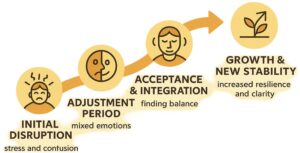
Some people notice improvements within a few months, while others benefit from longer-term support. Healing is rarely linear, and progress often happens gradually.
The most important goal is creating lasting emotional resilience—not rushing recovery.
Finding a Trauma-Informed Therapist
If you’re looking for trauma-informed care, consider asking potential therapists about:
-
Their training in trauma treatment
-
Experience working with trauma survivors
-
Therapeutic approaches they use
-
Whether they offer EMDR or Trauma-Focused CBT
-
Their philosophy around pacing therapy
-
Availability of virtual sessions
Feeling comfortable with your therapist is one of the strongest predictors of successful therapy.
Trauma-Informed Care at Mental Health Matters Inc.
At MHM, we believe healing begins with compassion—not pressure.
Our licensed clinicians provide trauma-informed therapy that emphasizes:
-
Safety and trust
-
Individualized care
-
Evidence-based trauma treatment
-
Respect for your pace
-
Inclusive, culturally responsive therapy
-
Convenient online therapy across the United States
-
In-person care in Cambridge, Lynnfield, and Winchester
Whether you’re seeking support after a recent experience or working through long-standing trauma, our team is here to help you take the next step.
Learn more through our Therapy Services page or schedule a consultation to begin your healing journey.
Key Takeaways
-
Trauma-informed therapy prioritizes safety, trust, collaboration, and empowerment.
-
Trauma can result from a wide range of experiences, not only life-threatening events.
-
Trauma-informed care recognizes the impact of trauma on the body, mind, and relationships.
-
Evidence-based trauma treatments include TF-CBT, EMDR, somatic therapy, and mindfulness approaches.
-
Healing happens at your pace—there is no pressure to discuss trauma before you’re ready.
-
Virtual trauma therapy is an effective and accessible option for many people.
-
Finding a therapist who makes you feel comfortable and safe is essential to the healing process.
Frequently Asked Questions
Q: What is trauma-informed therapy?
A: Trauma-informed therapy is an approach that recognizes the impact of trauma and prioritizes emotional safety, trust, collaboration, and empowerment throughout treatment.
Q: How is trauma-informed therapy different?
A: Rather than focusing only on symptoms, trauma-informed therapy aims to avoid re-traumatization by creating a safe, supportive environment where therapy progresses at a pace that feels comfortable.
Q: Who can benefit from trauma-informed care?
A: Anyone affected by trauma, abuse, grief, chronic stress, violence, medical experiences, or significant life events may benefit from trauma-informed therapy.
Q: What are the core principles of trauma-informed therapy?
A: The core principles include safety, trustworthiness, collaboration, empowerment, peer support, and cultural awareness.
Q: Do I have to talk about my trauma right away?
A: No. A trauma-informed therapist will never pressure you to discuss experiences before you’re ready. Therapy progresses at a pace that feels safe for you.
Q: What trauma treatments are commonly used?
A: Evidence-based treatments often include EMDR, Trauma-Focused Cognitive Behavioral Therapy (TF-CBT), somatic therapies, and mindfulness-based approaches.
Q: How does trauma affect mental health?
A: Trauma may contribute to anxiety, depression, PTSD, emotional regulation difficulties, sleep problems, and relationship challenges. Every person’s experience is unique.
Q: How can I find a trauma-informed therapist?
A: Ask about the therapist’s trauma-specific training, certifications, treatment methods, and experience working with trauma survivors. Feeling comfortable with your therapist is an important part of the healing process.
Q: Can trauma therapy be done online?
A: Yes. Many licensed trauma therapists offer secure virtual sessions that provide accessible, effective care from the comfort of home.
Q: How long does trauma recovery take?
A: Recovery varies for every individual. Factors such as the nature of the trauma, available support, personal goals, and treatment approach all influence the healing process.
This guide was published on July 23, 2026. For immediate crisis support, call or text 988 (Suicide and Crisis Lifeline).