Uncategorized
Coping with Loneliness and Building Social Connections
The Loneliness Epidemic in America: Causes, Health Impact, and Strategies for Connection Loneliness is a deeply human experience, but in...

Uncategorized


America’s veterans are a diverse and resilient group, yet their service often comes with profound mental health challenges that set them apart from the general population. Understanding the unique mental health needs of veterans is crucial for healthcare providers, policymakers, and communities seeking to support those who have served.
This comprehensive guide explores the prevalence, causes, and consequences of mental health conditions among U.S. veterans, as well as the barriers to care and the resources available to help them heal.
Military service is unlike any other profession. According to research published in PMC, veterans share a distinct culture shaped by values such as selfless duty, discipline, and camaraderie, but also by exposure to high-stress environments, trauma, and, for many, combat.
These experiences can leave lasting psychological scars, often manifesting as mental health disorders, substance use, and behavioral challenges at rates higher than those seen in civilian populations.
The transition from military to civilian life is a critical period. Veterans lose the structure, purpose, and social connections inherent in service, which can exacerbate existing mental health conditions or trigger new ones.
Research from the Department of Veterans Affairs (VA) and other institutions consistently shows that veterans are at increased risk for a range of mental health conditions.
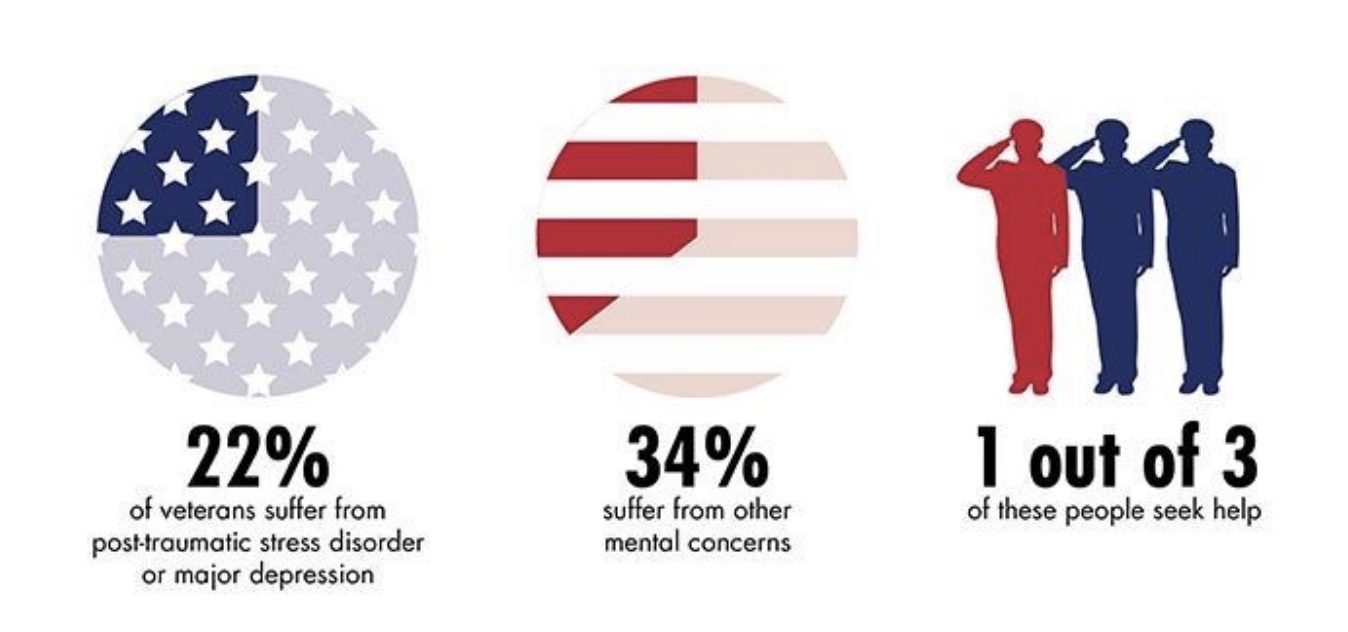
According to studies published in PubMed, about 14–20% of veterans who served in Iraq or Afghanistan experience PTSD, a rate significantly higher than in the general population. PTSD can result from direct combat, witnessing death or injury, military sexual assault, or even non-combat trauma.
Symptoms include intrusive memories, nightmares, hypervigilance, avoidance of reminders, and emotional numbing. Without treatment, PTSD can become chronic and debilitating.
Depression is another leading mental health concern among veterans. According to Ballard Brief, 15–18% of veterans experience depression, with symptoms ranging from persistent sadness and loss of interest to thoughts of suicide and physical complaints.
Depression often co-occurs with PTSD and substance use disorders, complicating diagnosis and treatment.
Anxiety, including generalized anxiety disorder, panic disorder, and social anxiety, affects approximately 10–15% of veterans. According to the VA Research, anxiety symptoms can be triggered by reminders of trauma, adjustment difficulties, or chronic stress.
Veterans are more likely than civilians to develop substance use problems. According to Charlie Health research, about 10–17% of veterans struggle with alcohol or drug misuse, often as a way to self-medicate for underlying mental health issues like PTSD or depression.
According to the RAND Corporation, up to 23% of veterans have experienced a traumatic brain injury. TBI can have lasting cognitive and emotional effects, including memory problems, mood swings, and difficulty concentrating. TBI frequently co-occurs with PTSD and depression.
Perhaps most alarmingly, the veteran suicide rate is 1.5 times higher than that of the general population. According to the VA Suicide Prevention data, an estimated 17–22 veterans die by suicide each day.
The Substance Abuse and Mental Health Services Administration (SAMHSA) emphasizes that suicide prevention is a top priority for veteran mental health.
Combat and deployment are powerful risk factors for mental health conditions. Veterans who have experienced direct combat, witnessed death, or suffered injuries are much more likely to develop PTSD, depression, and anxiety. The intensity and unpredictability of combat can lead to “invisible wounds” that persist long after the uniform is retired.
According to American Medical Association (AMA), even veterans who never saw combat may experience non-combat military trauma, including training accidents, military sexual trauma, or exposure to hazardous materials.
Leaving the military can be a major source of stress. According to Nature research, veterans may struggle to find purpose, employment, or a sense of belonging in civilian society. The loss of military structure and camaraderie, combined with physical injuries or disabilities, can exacerbate feelings of isolation and depression.
Despite the prevalence of mental health issues, many veterans do not seek treatment. According to Social Security Administration, stigma remains a significant barrier. Some veterans fear being perceived as weak or worry that seeking help could affect their careers or security clearances.
Others mistrust mental health professionals or are unaware of available resources. The National Alliance on Mental Illness (NAMI) notes that military culture’s emphasis on toughness can discourage help-seeking.
Veterans often experience more than one mental health condition simultaneously. According to Brainsway, PTSD frequently co-occurs with depression and substance use disorders, complicating diagnosis and treatment. Traumatic brain injury can further muddy the clinical picture, making it essential for providers to screen for multiple conditions.
Untreated mental illness among veterans can have devastating effects—not only on the individual, but also on their families and communities. According to NCBI research, consequences include:
The VA Albany reports that more than half of veterans with a mental illness did not receive treatment in the past year, and over 90% of those with a substance use disorder went untreated.
Despite the availability of services through the VA and other organizations, many veterans do not receive the care they need. According to RAND Corporation, key barriers include:
The U.S. News & World Report highlights that rural veterans face particular challenges due to distance from VA facilities.
It is important to recognize that military experience can also foster resilience, post-traumatic growth, and strong social bonds. According to PMC research, many veterans report that the teamwork, discipline, and sense of purpose gained through service help them overcome adversity.
Social support—both given and received—has been shown to reduce the risk of psychiatric disorders and suicidal ideation among veterans. Programs that encourage peer support and foster community connections can be especially effective.
The Mental Health America (MHA) emphasizes that veteran peer support programs are among the most effective interventions for reducing isolation and promoting recovery.
The VA has developed a comprehensive approach to mental health, emphasizing coordinated care that addresses both physical and psychological needs. According to VA Health Care, treatment plans often include:
The Military Medicine journal reports that integrated care models significantly improve outcomes for veterans with complex mental health needs.
Best practices include early screening for mental health conditions during the transition from active duty to civilian life, with prompt referral to treatment when needed. Proactive outreach and education can help reduce stigma and encourage help-seeking.
The VA’s Transition Assistance Program (TAP) includes mental health screening for all separating service members.
In addition to the VA, many nonprofits provide free or low-cost mental health services tailored to veterans. These organizations include:
These organizations play a crucial role in filling gaps and reaching veterans who may not engage with the VA.
Meeting the unique mental health needs of veterans requires a multi-faceted approach, according to North Key:
For a quick assessment of your mental health, take this free 5-question mental health check.
If you are looking for a mental health provider, please schedule an appointment with our team.
America’s veterans have given much in service to their country. They deserve comprehensive, compassionate mental health care that recognizes their unique experiences and challenges.
By understanding the complex factors that contribute to veterans’ mental health needs—and by breaking down the barriers to care—we can help those who have served lead healthy, fulfilling lives after their military careers end.
If you or someone you know is a veteran struggling with mental health, reach out to the VA, a trusted nonprofit, or the Suicide & Crisis Lifeline by calling or texting 988 (then press 1 for the Veterans Crisis Line). Help is available, and healing is possible.
Please note: This blog is for informational purposes only and is not a substitute for professional medical advice, diagnosis, or treatment. Always seek the advice of your mental health provider with any questions you may have regarding a medical condition.
This comprehensive guide was published on May 18, 2026. Sources include the Department of Veterans Affairs, RAND Corporation, SAMHSA, NAMI, AMA, Nature, NCBI, and the VA Suicide Prevention data.
JOURNAL
Uncategorized
The Loneliness Epidemic in America: Causes, Health Impact, and Strategies for Connection Loneliness is a deeply human experience, but in...

Uncategorized
Therapist Tips for Parents Supporting Children’s Mental Health: A Complete Guide Children’s mental health is a growing concern in the...
Uncategorized
Americans are increasingly aware that what we eat doesn’t just shape our bodies—it profoundly affects our minds. The growing field...
Whether you're seeking support for yourself, your child, your relationship, or your family, we're here to help. Complete the form below, and we'll contact you to discuss your needs and schedule your consultation.
Direct Inquiry
info@ourmhm.org